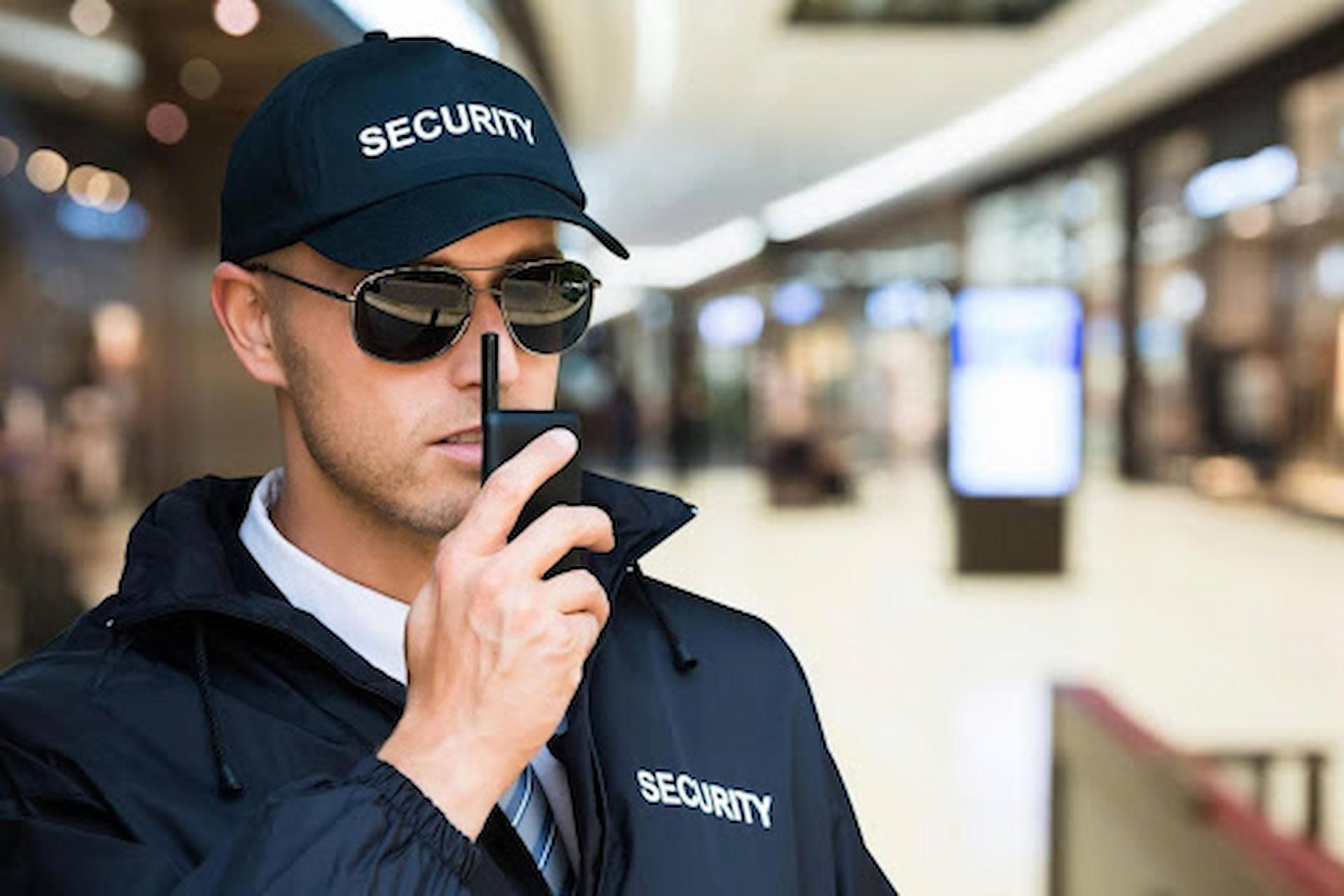
What a Security Company Typically Does
Security is no longer a background concern; it shapes how organisations, properties, and individuals protect what matters most. Professional security companies do far more than provide guards—they assess risks, implement protective strategies, and respond to threats with precision. Understanding their role helps decision-makers reduce risk, allocate resources wisely, and select services aligned with real security needs rather than assumptions.
Security is often only noticed when something goes wrong. Yet behind the scenes, professional security companies work continuously to prevent incidents, manage risk, and maintain order across a wide range of environments. From commercial premises and residential developments to events and corporate settings, security services play a strategic role in safeguarding people, assets, and operations.
A modern London Security Company is not limited to guarding entrances or responding to alarms. Its responsibilities extend into planning, prevention, monitoring, and ongoing risk management. Understanding these core functions clarifies what clients should expect from professional security providers and how these services contribute to long-term safety and confidence.
Why Professional Security Is a Strategic Business Decision
Security decisions influence more than safety outcomes. They affect reputation, operational efficiency, and legal compliance. Professional security services help organisations maintain control over environments where people, assets, and sensitive activity intersect.
Rather than reacting to incidents, security companies focus on reducing the likelihood of disruption. This proactive approach protects continuity and allows organisations to operate with confidence. When security is treated as a strategic function, it becomes an enabling service rather than a visible expense.
Where Security Begins: Identifying Risk Before It Escalates
Every effective security service starts with risk identification. This process examines physical layouts, access points, usage patterns, and environmental factors that may create exposure. The goal is to highlight vulnerabilities that are not always immediately visible.
Security assessments form the foundation of all subsequent planning. They ensure that coverage levels, patrol routines, and response procedures are proportionate and relevant. Without this groundwork, even well-staffed security operations can fail to address real risks effectively.
The Human Presence That Technology Cannot Replace
Trained security personnel remain central to professional security delivery. Their role extends beyond observation to include decision-making, communication, and situational control. Human presence provides flexibility and judgement that automated systems cannot replicate.
Security officers are responsible for maintaining order, managing interactions, and responding appropriately to changing circumstances. Their conduct, awareness, and consistency shape how secure an environment feels as well as how it functions. This human element remains critical across all sectors.
How Mobile Patrols Extend Protection Beyond Fixed Sites
Not every location requires constant on-site staffing. Mobile patrol services provide a flexible alternative that maintains oversight without unnecessary permanence. These patrols operate across multiple locations, delivering scheduled and unscheduled checks.
By covering wider areas efficiently, mobile patrols help deter unauthorised activity and ensure premises remain secure outside of operating hours. This approach balances cost control with effective risk coverage, particularly for dispersed or lower-occupancy sites.
Controlling Movement, Not Just Entry Points
Access control is about more than doors and barriers. It is about regulating movement in a way that protects people and assets while allowing operations to flow smoothly. Security companies design and manage access procedures that reflect real usage patterns.
Visitor verification, identity checks, and controlled access routes reduce uncertainty within a site. When managed professionally, access control supports both safety and professionalism, ensuring that environments remain secure without feeling restrictive.
When Alarms Activate, What Happens Next Matters Most
Alarm response is only as effective as the process that follows activation. Security companies provide structured response procedures that ensure alerts are assessed quickly and acted upon appropriately.
This includes verification, escalation, and coordination where necessary. Clear protocols reduce confusion during high-pressure situations and ensure responses are consistent. Post-incident reporting also plays a vital role, supporting review and improvement over time.
Managing Crowds Without Disrupting the Experience
Crowd security requires balance. The objective is to maintain safety without interfering with normal movement or engagement. Security companies plan crowd flow, monitor density, and intervene early when conditions begin to change.
Effective crowd management relies on preparation and visibility rather than force. Well-positioned security personnel support calm environments, ensuring that spaces remain orderly while allowing people to move freely and comfortably.
Where Technology Adds Value in a Human-Led Security Strategy
Technology plays an important role in modern security operations, but it functions best as a support tool. Surveillance systems, monitoring platforms, and digital reporting enhance visibility and coordination.
Security companies integrate technology into broader service frameworks, ensuring that human oversight remains central. This integration improves response times, documentation, and accountability without creating over-reliance on automated systems.
Training, Compliance, and the Standards Clients Rarely See
Professional security services operate within strict regulatory and ethical frameworks. Security companies are responsible for ensuring personnel are appropriately trained, vetted, and licensed.
Ongoing training supports consistency and adaptability. It ensures security teams remain aligned with legal requirements and operational best practices. For clients, this commitment reduces liability and reinforces trust in the service being delivered.
Why Ongoing Security Oversight Delivers Long-Term Value
Security needs to change over time. Buildings evolve, usage patterns shift, and risk profiles develop. Security companies provide ongoing oversight to ensure services remain aligned with current requirements.
Regular communication, reporting, and review allow adjustments to be made proactively. This continuous approach ensures that security remains effective rather than static, supporting long-term protection and operational resilience.
In Summary
A professional security company delivers structured protection built on planning, people, and process. From identifying risk and managing access to responding to incidents and maintaining compliance, each function contributes to a layered approach that prioritises prevention and control.
For organisations operating in complex environments, security is not a one-time decision. It is an ongoing commitment that benefits from expertise, adaptability, and professional oversight. Working with an experienced provider helps organisations align security services with real operational needs rather than assumptions. In demanding urban settings, informed security planning remains essential for stability, confidence, and long-term continuity.