What Defines Quality Care in a Care Home
Quality care is not defined by one feature alone. It is shaped by daily routines, staff relationships, safety standards, and emotional wellbeing. Understanding these foundations helps families assess care quality with clarity, confidence, and reassurance, turning a complex decision into a more informed and considered choice.
Choosing a care home is one of the most important decisions families make. It goes beyond location or facilities and focuses on how consistently residents are supported, respected, and understood. In a well-run Redhill care home, quality care is reflected in everyday interactions, thoughtful planning, and a culture that values dignity at every stage of life.
Below are the key elements that define quality care and how families can recognise them.
Person-Centred Care as the Foundation
At the heart of quality care is an approach that treats each resident as an individual rather than a set of needs. Person-centred care ensures that daily support reflects personal history, preferences, and routines, creating a sense of familiarity and control.
Respecting individual routines and preferences
Quality care begins with recognising that every resident is different. Personal histories, routines, cultural backgrounds, and preferences all shape how care should be delivered. Rather than fitting individuals into rigid schedules, high-quality care adapts around them.
Daily routines such as meal times, sleeping patterns, and social engagement should feel familiar and comfortable. When care feels personalised rather than procedural, residents are more likely to feel settled and secure.
Emotional wellbeing alongside physical care
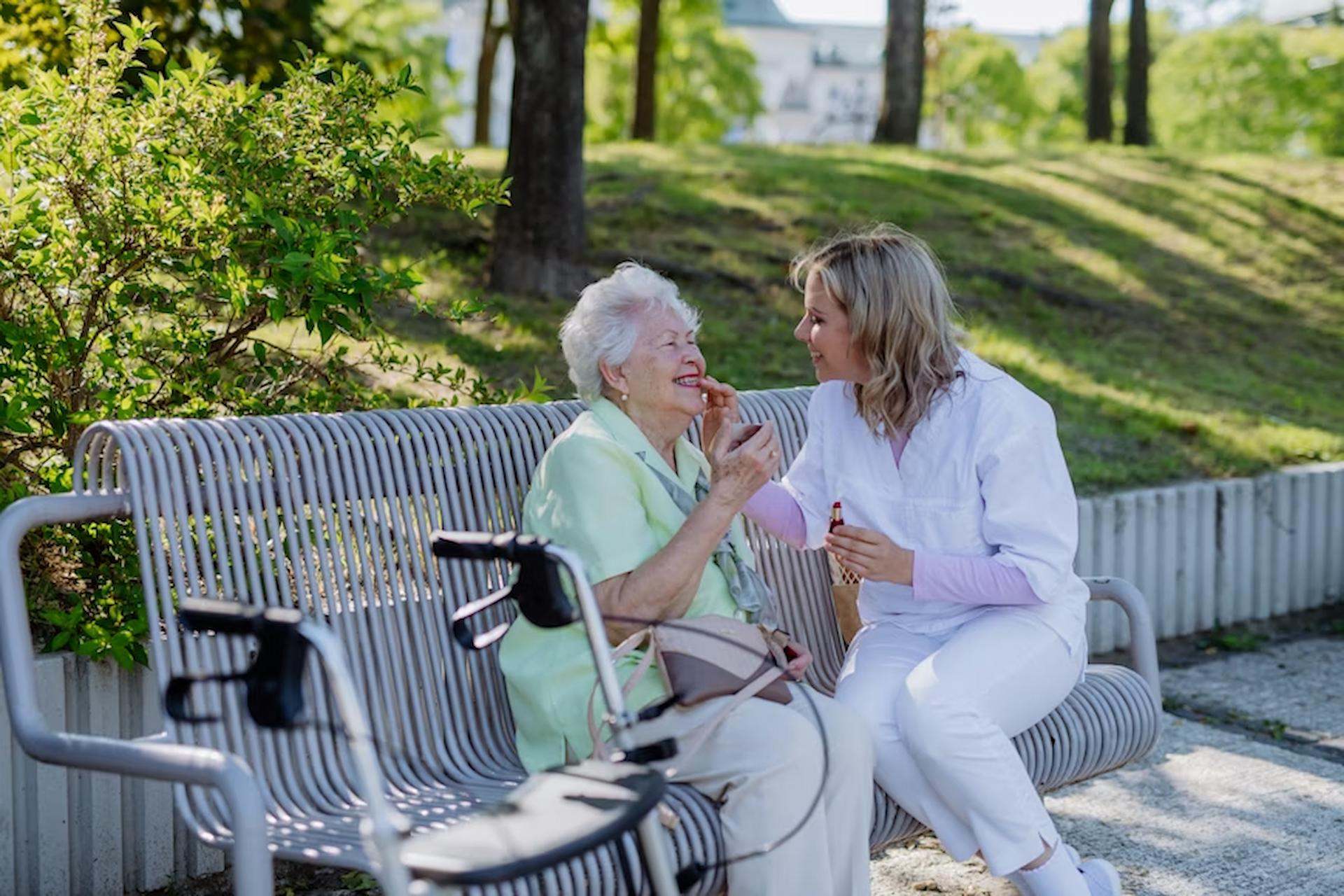
Care is not only about meeting physical needs. Emotional reassurance, conversation, and companionship play a vital role in overall wellbeing. A calm, friendly environment helps residents feel valued rather than managed, which directly supports mental and emotional health.
Skilled, Consistent, and Compassionate Staff
The quality of care delivered depends heavily on the people providing it. Skilled and compassionate staff ensure residents feel safe, supported, and understood, while consistency helps build trust and emotional security.
Training that supports safe and responsive care
Staff quality is one of the strongest indicators of care standards. Well-trained teams understand how to respond to changing needs, recognise early signs of discomfort, and provide support safely. This includes knowledge of mobility assistance, personal care, nutrition, and communication.
According to UK care sector data, homes with consistent training programmes tend to report higher resident satisfaction and fewer care-related incidents.
Familiar faces build trust
Consistency matters. When residents see the same carers regularly, trust develops naturally. Familiarity reduces anxiety and allows staff to understand subtle changes in behaviour or health. In a quality care environment, staffing is structured to promote continuity wherever possible.
A Safe, Comfortable, and Well-Maintained Environment
The physical environment plays a key role in both safety and wellbeing. Quality care homes are designed to support independence while minimising risk, without creating an institutional atmosphere.
Physical safety without feeling clinical
Safety should be built into the environment without making it feel institutional. Features such as clear walkways, supportive handrails, appropriate lighting, and secure access all contribute to confidence and independence.
A well-designed care home balances protection with comfort, allowing residents to move freely while minimising risk.
Cleanliness and maintenance standards
Clean, well-maintained surroundings are not just about appearance. They directly impact health, infection control, and overall comfort. Regular maintenance, good ventilation, and attention to shared spaces all signal a commitment to high standards.
Clear Communication and Family Involvement
Strong communication helps families feel reassured and residents feel supported. Quality care homes prioritise transparency, ensuring everyone involved understands how care is delivered and reviewed.
Transparent care planning
Quality care homes maintain open communication with residents and families. Care plans should be clear, regularly reviewed, and explained in plain language. Families should feel informed rather than excluded, especially as care needs evolve.
Midway through the decision process, many families compare how openly a Redhill care home discusses care planning, daily routines, and ongoing support. Transparency builds confidence and trust.
Listening as part of care
Good communication is not one-way. Homes that actively listen to residents and families are better equipped to adjust care appropriately. Feedback, concerns, and preferences should be welcomed and addressed respectfully.
Nutrition, Comfort, and Daily Living Support
Everyday experiences shape quality of life. From meals to daily routines, thoughtful support helps residents remain comfortable, nourished, and involved in their own care.
Balanced meals that respect choice
Nutrition plays a key role in wellbeing, energy levels, and recovery. Quality care includes well-planned meals that are both nutritious and enjoyable, with consideration for dietary needs and personal tastes.
Residents should feel involved in choices rather than restricted by fixed menus.
Supporting independence wherever possible
Encouraging residents to remain involved in daily tasks, at their own pace, helps maintain confidence and a sense of purpose. Even small choices, such as selecting clothing or participating in light activities, contribute to dignity and self-esteem.
Actionable Signs of Quality Care to Look For
When assessing care standards, families can focus on practical indicators such as:
- Staff speaking respectfully and calmly with residents
- Clear explanations of care routines and support plans
- Clean, welcoming shared spaces that feel lived-in
- Residents appearing comfortable, engaged, and relaxed
- Policies that prioritise dignity, privacy, and safety
These everyday details often reveal more than brochures or checklists.
Continuous Improvement and Accountability
Quality care is an ongoing commitment rather than a fixed standard. Strong care homes regularly review their practices to ensure care remains consistent, safe, and responsive to residents’ needs.
Regular reviews and quality monitoring
High-quality care is not static. Strong care homes regularly review procedures, training, and resident feedback. Internal audits and external inspections help maintain accountability and consistency.
National care frameworks consistently highlight that homes committed to ongoing improvement deliver more reliable outcomes over time.
Leadership that sets the tone
Management plays a critical role in shaping care culture. Clear leadership ensures standards are upheld, staff feel supported, and residents’ needs remain the central focus.
Final Summary
Quality care in a care home is defined by how people are treated every day. It combines personal respect, skilled staff, safe environments, and open communication into one consistent experience. For families considering a Redhill care home, focusing on these core principles helps ensure care feels supportive, dignified, and genuinely centred on the individual.